

-
+91 9760 990 205
-
info@patanjaliyogafoundation.com

Exploring the Life, Wisdom, and Yogic Legacy of the Father of Classical Yoga
Sage Patanjali: The One Who Brought Stillness to the Storm
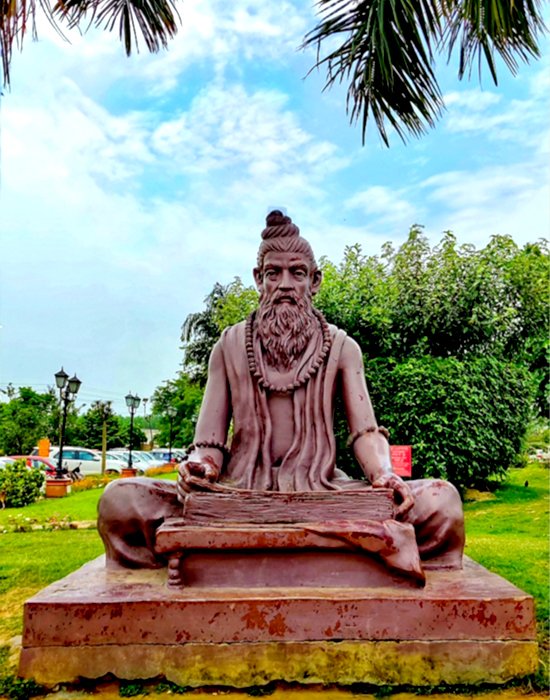
योगेन चित्तस्य पदेन वाचां मलं शरीरस्य च वैद्यकेन ।
योऽपाकरोति तं प्रवरं मुनीनां पतञ्जलिं प्राञ्जलिरानतोऽस्मि ॥1||
“Yogena cittasya, padena vacam, malam sarirasya ca vaidyakena|
Yoapakaroti tam pravaram muninam patanjali pranjali-ranato-smi||1||”
I bow to the noble sage who removed impurities of the mind by yoga, of speech by grammar, and of body by Ayurveda.||1||
वन्दे गुरुचरणारविन्दे, सन्दర్శितस्वात्मसुखावा बोधे।
निःश्रेयसे जङ्गलिकायमाने, संसार हालाहल मोहशान्त्यै॥2||
Vande guru charnarvinde, sandarsita swatm sukhava bodhe |
Nih sreyases janglikayamane, samsara halahala mohasantyai||2||
I bow to the lotus feet of the gurus, the awakening happiness of one’s own self revealed | Beyond better, acting like the jungle physician, pacifying delusion, the poison of samsara.||2||
आबाहु पुरुषाकारं, शङ्ख चक्रासि धारिणम्।
सहस्र शीर्षं श्वेतं, प्रणमामि पतञ्जलिम्॥3||
Abahu purushakaram, shankha cakrasi dharinam|
Sahasra shirsam svetam, pranamami patanjalim||3||
Who through skill in action has become the Self, holding a conch and a disc, with white head and crown chakra, to that Patanjali my salutation goes.||3||
In the tradition of yoga, we don’t worship personalities. We remember them. We carry their presence in breath and posture, in quiet reflection, and in the way we return to ourselves every day. Patanjali is not just a name from history. He is the one who gave form to the formless art of yoga. The one who showed us how to walk steadily on a path that disappears unless walked with awareness.
The Sage with Three Gifts
In the invocation chanted at the beginning of many yoga classes, we remember Sage Patanjali as the one who brought clarity to mind, speech, and body. Yoga, grammar, and Ayurveda—three tools for purification.
This, to me, says everything. That he did not just focus on physical health or spiritual escape. He worked holistically. Body, mind, and the way we express ourselves. All three matter. All three must be clear if we are to truly live consciously.
Patanjali didn’t just write. He organized. He refined. He channeled what many sages had practiced silently in forests and caves and made it accessible—threaded like beads into 196 Yoga Sutras.
Each one of those threads is short. Precise. Some just four or five words. But they go deep, like seeds. You may not grasp them at first. But if you water them with practice and silence, they begin to bloom.
Who Was He, Really?
Well, in truth, we don’t fully know. Patanjali was never concerned with his identity—he left no biography. Just a timeless offering.
But the legends are beautiful.
Some say he was born from Aadi Shesha, the serpent upon whom Lord Vishnu rests. Others say he was the child of Atri Rishi and Anusuya, making him a sibling of Dattatreya and Durvasa. There’s a story that he fell (pat-) from heaven into the folded hands (-anjali) of a woman praying for divine knowledge.
Even in myth, he is not shown as a warrior or ruler—but as a quiet, radiant presence. A teacher. A seer.
In the Shaiva and Vaishnava traditions, he is respected not just as a scholar but as a divine being—one who came to balance ego, restore clarity, and remove the poisons of samsara.
"Vande guru charanarvinde…"
I bow to the lotus feet of the guru, who awakens the joy of the Self and acts like a jungle doctor, curing the delusion of worldly life.
The Yoga Sutras: A Manual for the Inner World
The Yoga Sutras of Patanjali are not a book in the way we think of books. They are more like a mirror. You return to them again and again. And each time, they show you something new.
"Yogas chitta vritti nirodhah."
Yoga is the cessation of fluctuations of the mind.
This single sutra—just a few words—contains the entire goal of yoga. When the waves of thought calm down, the Self is seen clearly. Not something to be added. Just something to be remembered.
His teachings are not mystical riddles. They are step-by-step guidance rooted in lived experience. He outlines what we call Ashtanga Yoga, or the Eight Limbs:
- Yama: How we treat others—non-violence, truth, non-stealing, moderation, and non-possessiveness.
- Niyama: How we treat ourselves—cleanliness, contentment, discipline, self-study, and surrender.
- Asana: Steady and comfortable posture—not gymnastics, but poise.
- Pranayama: Control and awareness of the breath—the bridge between body and mind.
- Pratyahara: Withdrawing the senses inward, just as a turtle draws its limbs.
- Dharana: Focus. One thought at a time.
- Dhyana: Meditation. A stream of awareness uninterrupted.
- Samadhi: Absorption. Oneness. No longer observer and observed—just being.
As a teacher, I often tell my students: you don’t need to master all eight. You begin where you are. Sometimes that’s with the breath. Sometimes it’s with self-study. Eventually, the path takes you inward, if you keep walking.
Beyond Philosophy, A Way of Living
Patanjali didn’t just talk about yoga. He lived it. His sutras are not ideas—they are practices.
"Abhyasa vairagyabhyam tan nirodhah." Stillness comes through consistent practice and letting go.
Those two wings—effort and surrender. One without the other creates imbalance. Effort without surrender becomes ego. Surrender without effort becomes laziness. But together, they lift you.
And when the mind stills, he says, “Tada drashtuh svarupe avasthanam”—then the Seer abides in its own nature.
That’s not something poetic. It’s practical. You begin to feel it in your own life—in small moments. When you’re less reactive. When you watch your anger instead of becoming it. When silence feels nourishing instead of awkward.
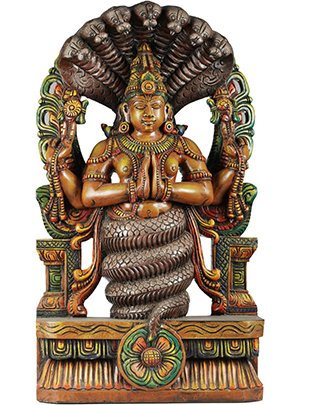
The Form We Remember
In many traditional depictions, Patanjali is shown with the upper body of a man and the lower body of a coiled serpent, crowned in white and holding a conch, a chakra, and a In many traditional depictions, Patanjali is shown with the upper body of a man and the lower body of a coiled serpent, crowned in white and holding a conch, a chakra, and a book.
- The conch symbolizes sacred sound, the vibration that purifies.
- The chakra represents clarity of action and dharma.
- The book—knowledge. The kind that leads to freedom.
"Abahu purushakaram, shankha chakra asi dharinam,
sahasra shirsam svetam, pranamami Patanjalim."
To the one with the human form above and serpent below, holding sacred symbols, with a thousand radiant heads—I bow to Patanjali.
This image reminds us: Patanjali is not just a philosopher. He is a bridge—between body and spirit, sound and silence, action and rest.
In Today’s World
Why does Patanjali matter now?
Because in a world of constant noise, he reminds us to pause.
In a culture obsessed with performance, he reminds us to just sit.
In the rush to seek answers outside, he reminds us that the clearest answers come from stillness within.
As teachers, we don’t teach yoga. We share what Patanjali gave us. A practice. A path. A possibility.
And when someone says, “I can’t meditate, my mind is too busy,” I just smile.
"Your mind is not the problem," I say. "It’s the doorway."
Just as Patanjali taught.
Join and become
a Part of the International Yoga Community.
Join us for the best Yoga Teacher Training
experience at PIYF Rishikesh, India.
Book Your Spot Today!

+91 9760 990 205
200 Hour Yoga Teacher Training
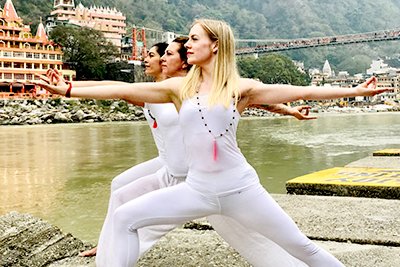
From beginner to Intermediate Level
Build a strong foundation in yoga with our 200-Hour Beginner Training. learn postures, breathwork, meditation, and teaching skills to start your journey as a certified yoga teacher.
- Duration 02–24, 2025 [Each Month]
- Style Ashtanga | Ancient Hatha
- Fees From $799 USD
$1199 USD - Certification 200 Hour YTT
300 Hour Yoga Teacher Training
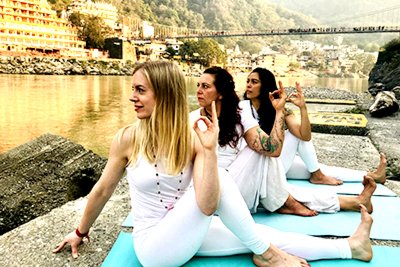
From Intermediate to advanced Level
Already completed your 200-Hour YTT? Take the next step with our 300-Hour Intermediate to Advanced Level Training designed to elevate your practice.
- Duration 02-28, 2025 [Each Month]
- Style Ashtanga | Ancient Hatha | Ayurveda
- Fees From $999 USD |
$1499 USD - Certification 300 Hour YTT
500 Hours Yoga Teacher Training
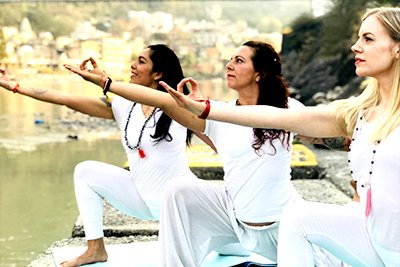
From Beginner to advanced Level
Ready for full immersion? Our 500-Hour Advanced Level YTT blends both 200 and 300 hours for a complete, in-depth experience of Yogic Science.
- Duration Two Months
- Style Ashtanga | Ancient Hatha| Ayurveda
- Fees From $1999 USD |
$2499 USD - Certification 500 Hour YTT
Yoga and Meditation Retreat
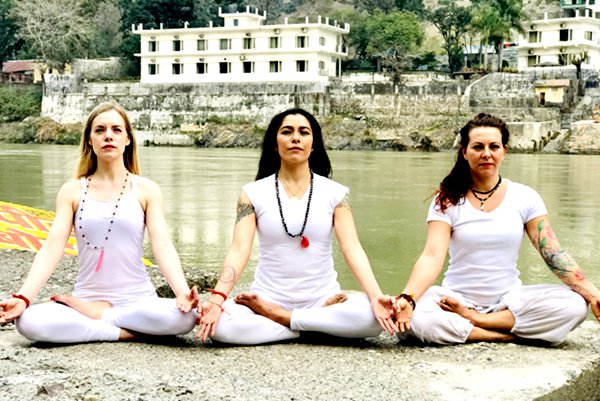
Yoga and Meditation Retreat in Rishikesh, India
Step away from routine and renew yourself. This Retreat blends asana, pranayama, kriya, and meditation for full-body balance.
- Duration 02–15, 2025 [Each Months]
- Style Ashtanga | Ancient Hatha
- Fees From $399 USD |
$799 USD - Certification Yoga & Meditation Retreat
Yoga Therapy and Ayurveda
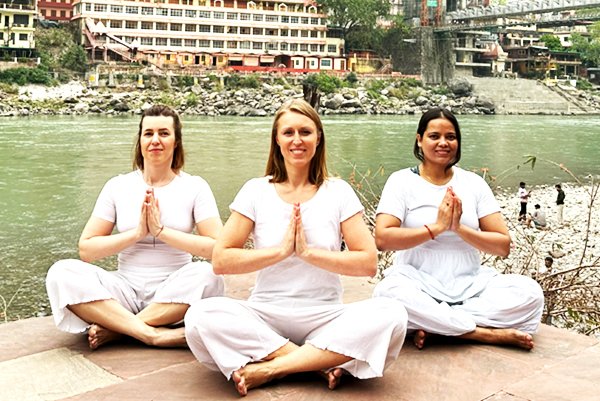
Yoga Therapy and Ayurveda in Rishikesh, India
Completed 200-Hour YTT? Deepen your journey with our Yoga Therapy and Ayurveda course—focused on healing and ancient wisdom.
- Duration 02–15, 2025 [Each Months]
- Style Ashtanga | Ancient Hatha | Ayurveda
- Fees From $549 USD |
$899 USD - Certification Yoga Therapy and Ayurveda
Clean your karma and samskara by yogic wisdom
Best Yoga Teachers Of PIYF Yoga School
Our faculty is made up of qualified, humble, and deeply experienced Indian yoga masters.
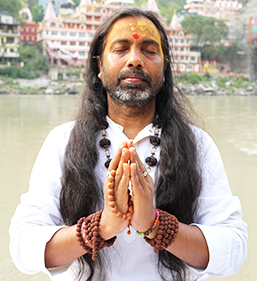
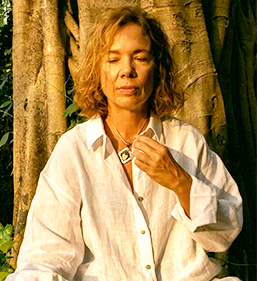
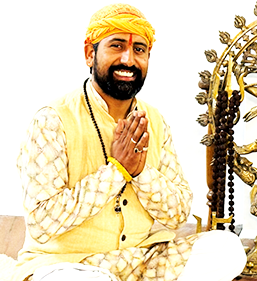
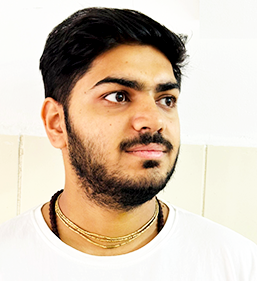
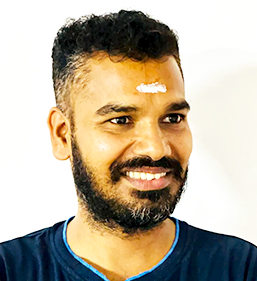

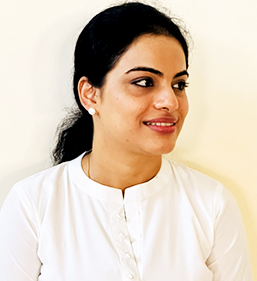
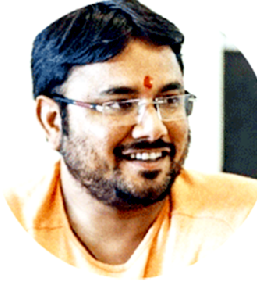
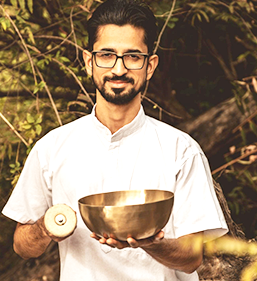
Each teacher brings not only knowledge but compassion and presence.
“The best teaching happens not in words — but in silence shared between hearts.”
We Follow
The 5000 Years Old Yoga Tradition of The Himalayan Masters
Our teachings are rooted in:
- Maharishi Patanjali's Yoga Sutras
- Hatha Yoga from texts like Gheranda Samhita & Hatha Pradipika
- Himalayan Yoga-Vedantic lineage
- Gurukula values: teacher–student respect, daily routine, simplicity
We don’t believe in shortcuts. We follow authenticity, dedication, and humility.
“The tradition is not in the book — it is in the breath of the one who lives it.”
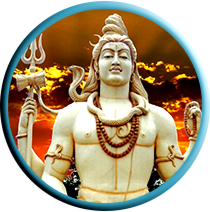

Aadi Yogi Lord SHIVA
Shiva is The Highest Auspicious Energy of the Universe. He is the eternal one who gave birth to himself, he has no begining or end. He knows all. He is pure consciousness, the creator of time, all-powerful, all-knowing.
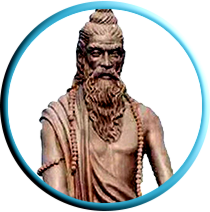
Sage Patanjali
Patanjali describes the third limb of yoga, which is the asana, as "Sthiram, Sukham Asanam" - Mean asana the position should be comfortable and stable, that is all the asana is about. Because "comfort" is such a misused word, maybe a closer word to "sukha" in English would be "ease."
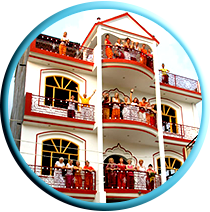
Patanjali Systems
During our trainings we follow the techniques, which are described in Sanskrit sources and textbooks. Following GURUKUL training system with the central point of constant deep connection of the Master and students.
Your Everyday Retreat
Get Your Yoga Certification Course Today
While this course itself is not affiliated with Yoga Alliance, our school:
Is a Yoga Alliance Registered School (RYS)
Hosts 200hr, 300hr and 500hr TTCs certified under Yoga Alliance
Follows professional standards for asana, ethics, and teaching hours
Students who wish to pursue further TTC programs can enroll in our Yoga Alliance certified courses.
“Yoga Alliance certifies your knowledge. Only your life certifies your practice.”
Our Review & Ratings
What past Student Say About their Yoga Therapy and Ayurveda in Rishikesh
⭐⭐⭐⭐⭐
Rooms: 5/5 Service: 5/ 5 Location: 5/5
I was looking for an authentic ashram for a retreat in Tapovan when I found Patanjali international Yoga Fondation. Since my first step in I have been welcomed by the director who is also an amazing Guru.
Loulou France

⭐⭐⭐⭐⭐
Rooms: 5/5 Service: 5/ 5 Location: 5/5
Why Patanjali International Yoga Foundation?
I didn’t hesitate to enroll here, as it was my sister’s first recommendation. Her positive experience and stay assured me that this was a great choice.
Janet Padua Philippines

⭐⭐⭐⭐⭐
Rooms: 5/5 Service: 5/ 5 Location: 5/5
Amazing experience at patanjali! The room, services and food was just perfect, neat and clean and well lit. I took yoga therapy course and all my teachers Mr Mayank, Dr Das and Shashank Ji are thorough with their subjects.
Priya bisht India
⭐⭐⭐⭐⭐
Rooms: 5/5 Service: 5/ 5 Location: 5/5
With all my heart I want to thank Patanjali Internatiinal Yoga Foundation for wonderful stay and for strong and intensive practice on 300-hours yoga teachers course! My teachers at Russia also completed this course
Galina Kikalova Russia
Yoga Alliance Review

Google Review